







Inside LPPI’s Rapid-Response Research on the L.A. Wildfires
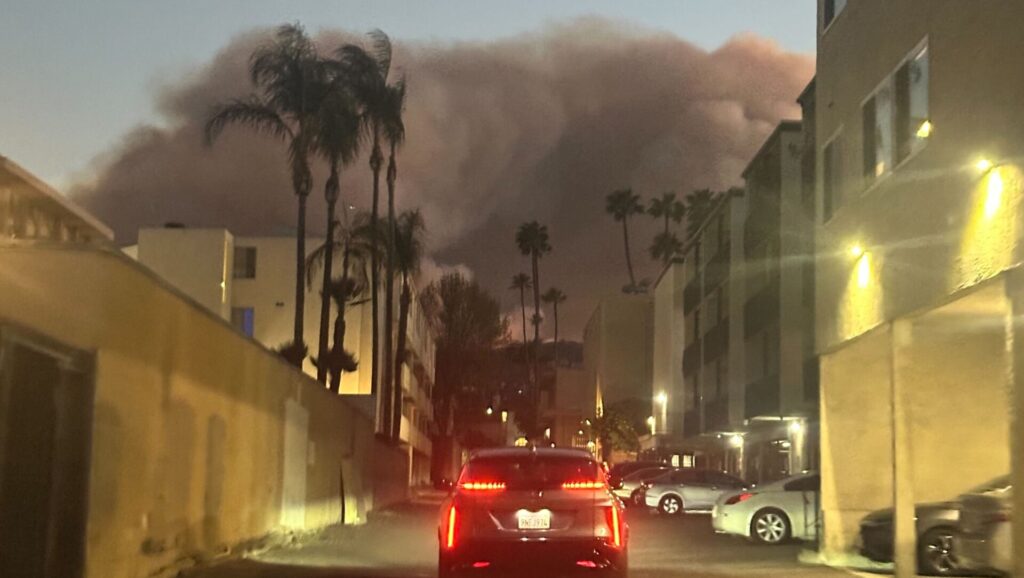
Parsing through data until 4 am. Eyes glued to the Watch Duty app. Every minute, a new Slack notification.
That’s what the immediate days were like for UCLA LPPI director of research Silvia R. González after the Pacific Palisades and Altadena wildfires broke out.
Like many Angelenos, González watched the wildfires grow each hour on television, worrying her neighborhood would be next. What she was not seeing, however, was coverage of the impacts to working-class communities.
Researchers from LPPI and the UCLA Center for Neighborhood Knowledge realized they had to fill this gap. Within a week of the fires’ outbreak, they produced three data briefs on the displacement, health impacts, and economic instability the fires caused for Latino workers and residents.
“That’s what happens when you have researchers from frontline communities, working-class communities,” González said. “We want to be able to make sure that our experiences aren’t lost when important policy conversations are going to be happening.”
Typical research takes months and years to test hypotheses and delve into complex research questions. Rapid-response research, like the wildfire briefs, instead prioritizes timeliness over depth.
Each brief presents five data findings or fewer that policymakers and advocates can use to tell a story and inform their decision making. González and her colleagues drew on years of conducting rapid-response research, including during the COVID-19 pandemic, to identify which key data points to examine.
The researchers worked through nights and weekends, producing their first brief three days after the Eaton and Palisades fires erupted.
As the fire raged on, González, who has asthma that’s triggered by irritants like smoke, kept her air conditioner and air purifiers on 24/7. Check-ins on mental and physical wellbeing were especially crucial without the ability to step outside and destress.
When the evacuation zone was in the Santa Monica Mountains across the street and González could see the fire from her window, she temporarily relocated to her mother’s home until the fire was contained.
Despite the fear amongst team members, being able to show up through research was worth it.
“One of the most rewarding experiences was showcasing how impactful data can be and the importance of research at a time when research infrastructure is under attack, when data is under attack, when the Latino community is being persecuted and silenced,” González said.
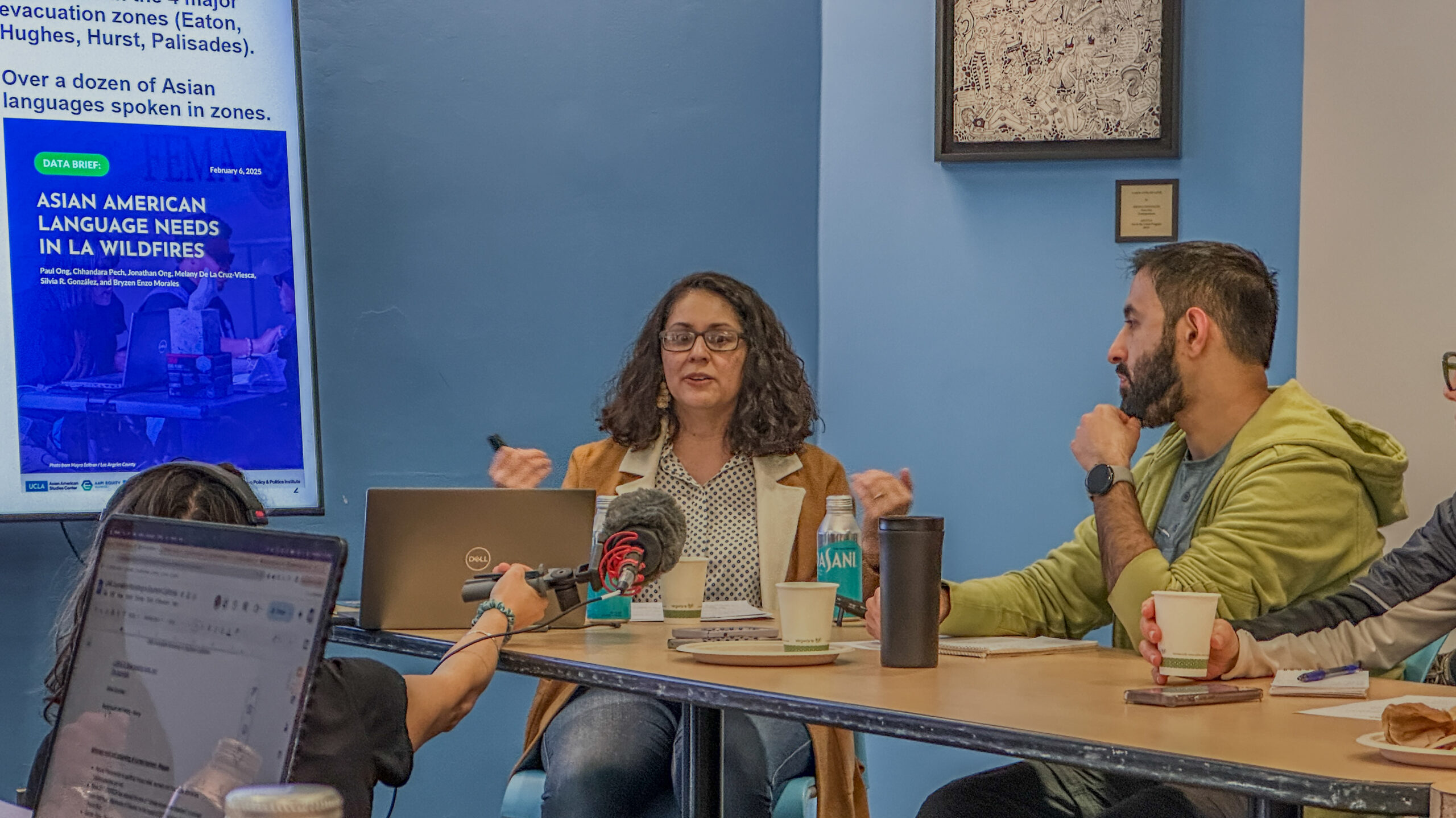
Almost one year after the wildfires, LPPI is continuing to show up through research on post-fire small business and housing recovery to inform advocacy and policy.
In collaboration with other university and local partners, LPPI researchers compiled additional research on water misinformation, the impacts to the African American community in Altadena, and the language needs of Asian Americans and Pacific Islanders. LPPI also provided seed funding to Michael Méndez, faculty affiliate and expert on disaster preparedness, to conduct research on the needs of outdoor workers such as day laborers.
LPPI researchers are now compiling a series of four data briefs on the challenges Altadena homeowners and renters face in rebuilding. Their first brief, released in October, revealed Black-owned homes were the most likely to be severely damaged.
LPPI and CNK also released a three-part data brief series in October, highlighting the fires’ disproportionate impacts on microbusinesses, or businesses with under 10 employees. She is now forming relationships with small businesses to develop community-informed policy recommendations, something there was no time for during the rapid response research.
“It was important for us to have those voices from frontline organizations to be able to tell those stories of what they were seeing,” González said. “That made this very personally meaningful.”