




Why the EPA’s Greenhouse Gas Deregulation is a Public Health Crisis in the Making
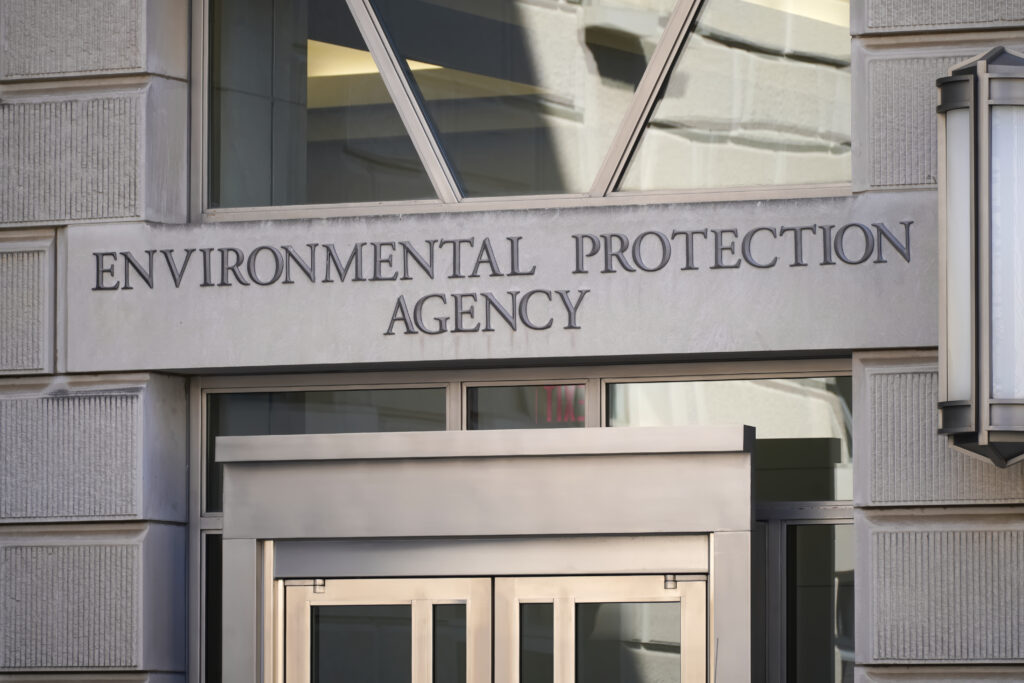
On February 12, 2026, the United States Environmental Protection Agency (EPA), under the Trump administration, finalized a significant rollback of the federal government’s authority to regulate greenhouse gas emissions by repealing the Endangerment Finding under the Clean Air Act, which has been in place since 2009.¹ The Endangerment Finding is a formal scientific determination that greenhouse gases threaten human health and welfare. That scientific determination has served as the legal backbone for federal climate protections, including improved vehicle emission standards and power plant modernization. Repealing it signals a departure from the federal government’s responsibility to limit climate pollution at a time when climate-related health harms are increasing across the country.
Climate change is already harming U.S. residents’ health. The Centers for Disease Control and Prevention and the U.S. Global Change Research Program have documented rising heat-related illness and death, worsening air quality, longer wildfire seasons, and increased cardiovascular and respiratory illness linked to climate stressors like greenhouse gases.² In other words, higher temperatures and extreme weather are making people sicker, especially those with heart and lung conditions. The Lancet Countdown, an international collaboration that monitors the evolving relationship between climate change and global health outcomes, has similarly found that fossil fuel pollution continues to drive preventable mortality worldwide.³
But the consequences of climate change are not experienced equally, and neither will the consequences of this deregulation.
People in low-income neighborhoods and communities of color are hit hardest by the air pollution that comes from burning fossil fuels and the effects of climate change at large. Decades of redlining, industrial zoning, and underinvestment have concentrated environmental burdens in specific neighborhoods. Those policies have led to more highways, warehouses, oil wells, and industrial facilities located near these frontline communities. Rolling back greenhouse gas regulation will amplify those disparities.
This inequity becomes tangible when we zoom in.
The UCLA Latino Policy and Politics Institute’s Latino Climate and Health Dashboard synthesizes climate exposure, pollution, and health outcome data at the neighborhood level. This resource brings together data on environmental exposure and health impacts to show what communities are experiencing locally. The findings are clear: Latino neighborhoods in California experience significantly greater environmental and health burdens than non-Latino white neighborhoods.⁴
Our research shows that Latino neighborhoods in California face 2.7 times more diesel pollution and 1.3 times more fine particulate matter than non-Latino white neighborhoods. These communities also experience asthma-related emergency visits at twice the rate, and heart attack visits at 1.6 times the rate.⁵
These disparities are structural.
Federal limits on greenhouse gas pollution matter because they don’t just slow climate change; they also reduce the other harmful pollutants released when fossil fuels are burned. When power plants, cars, and refineries emit less climate pollution, they usually also emit less smog-forming ozone and fine particle pollution. But when climate regulations are rolled back, pollution increases, and the people who live closest to pollution-heavy infrastructure, often low-income communities and communities of color, end up breathing the worst of it.
Regulation also sustains the monitoring and reporting systems that allow inequities to be measured. Emissions inventories, air quality monitoring networks, and public health surveillance systems provide the data that tools like the Latino Climate and Health Dashboard rely on. Without strong regulatory authority, the incentives to maintain and expand these systems weaken, making it harder to identify disparities and design equitable interventions.
This rollback of greenhouse gas protections is not simply about deregulation; it’s about whether public health science will guide national policy, whether we acknowledge that climate pollution harms us and that climate change is real, and whether equity and well-being are priorities. Science makes clear that greenhouse gases and air pollution endanger public health. At a moment when stronger climate protections are urgently needed, weakening them will deepen health inequities, expose vulnerable communities to greater harm, and undo years of progress communities have fought for.
References
¹ Brady, Jeff, and Camila Domonoske. “Trump’s EPA Plans to End a Key Climate Pollution Regulation.” NPR, February 11, 2026. https://www.npr.org/2026/02/11/nx-s1-5678273/trump-epa-climate-change-endangerment; U.S. Environmental Protection Agency. Technical Support Document: Endangerment and Cause or Contribute Findings for Greenhouse Gases Under Section 202(a) of the Clean Air Act. Washington, DC: U.S. EPA, December 7, 2009. https://www.epa.gov/sites/default/files/2021-05/documents/endangerment_tsd.pdf.
² Centers for Disease Control and Prevention. “Climate Effects on Health.” CDC, updated periodically. https://www.cdc.gov/climateandhealth/effects/default.htm; U.S. Global Change Research Program. The Impacts of Climate Change on Human Health in the United States: A Scientific Assessment. Washington, DC: USGCRP, 2016. https://health2016.globalchange.gov.
³ Watts, Nick, et al. “The 2023 Report of the Lancet Countdown on Health and Climate Change.” The Lancet 402, no. 10419 (2023): 2346–2406.
⁴ UCLA Latino Policy and Politics Institute. Latino Climate and Health Dashboard. https://latinoclimatehealth.org.
⁵ Majano, Rosario, Samantha Alejandre, Julia Silver, Chhandara Pech, Paul M. Ong, Silvia R. González, and Arturo Vargas Bustamante. Climate Change and Health Disparities in Latino Neighborhoods. Los Angeles: UCLA Latino Policy and Politics Institute, 2025. https://latino.ucla.edu/research/climate-change-health-disparities-latino-neighborhoods/.